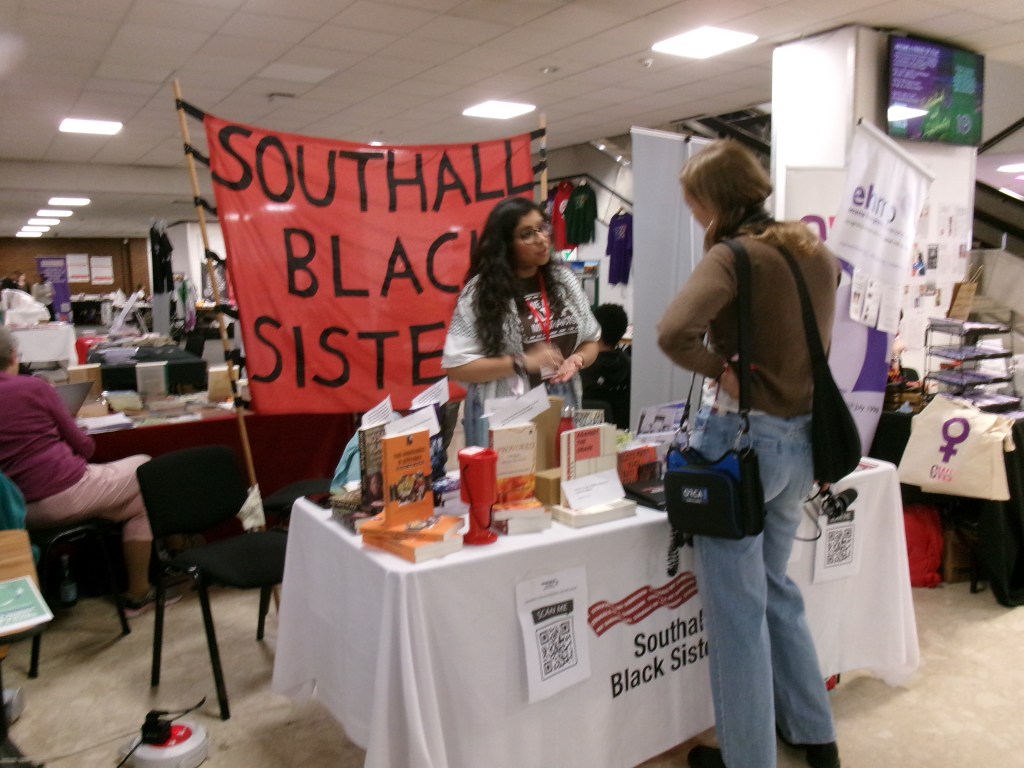
aka state of the Sisterhood 2025
***NB there is a damning view of the Labour Party here, and a lot about FiLiA 2025 along the way, so I would like to make a distinction: whilst the Labour Party deserves to be despised, FiLiA is a unique and tremendously useful organisation, a charity which is largely run by volunteers, which aims to be led each year by the ideas of the women whose city they are visiting, and by whatever are the hot topics amongst women nationally. It is only that, in a highly volatile political time, by way of some timorous decisions made under immense pressure, things went badly wrong at FiLiA 2025 — but the organisers went away for a long think afterwards, and there’s a fighting chance that something good will rise from the ashes.***
On 10th December 2025, I went to an event by Southall Black Sisters, entitled “Black Feminist Resistance: Empire, Settler Colonialism and Global Solidarity”. This is going to sound silly, but I went because I joined the Labour Party a decade ago.
It’s like this: I joined Labour because firstly, the Party got my attention when they chose Ed, rather than David Milliband as leader and secondly, by a series of flukes the LRC (Labour Representation Committee), got a shot at placing a socialist in charge of the Labour Party. Suddenly, this was a party worth backing – but also, equally suddenly, accusations of ‘thuggery’, ‘Trottery’ and above all and always, ‘antisemitism’, started raining down.
As a CLP (constituency Labour Party) officer, I got used to being slandered, sneered at and mis-reported. We know where all that came from now. If you don’t, and you’d like to know, try this…
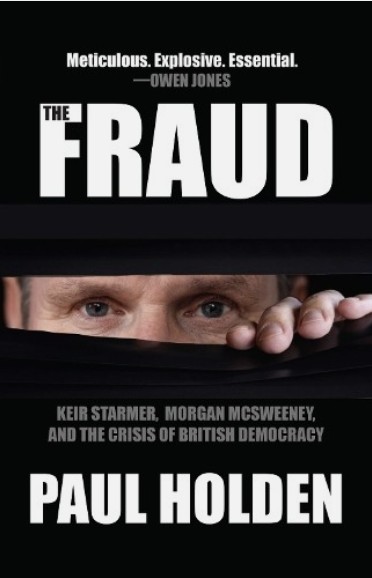
Fortunately for me, I was a member of the LRC and of a staunch lefty CLP, with an excellent cohort of Jewish Socialist officers and members so we got stuck in and learned as best we could how to manage all the things that were apparently antisemitic (such as being enthusiastic about protesting Israel’s illegal occupation of Palestine) but then I got involved in the women’s rights campaign and it immediately started raining accusations of ‘bigotry’, ‘transphobia’, and even ‘fascism’.
I got used to being threatened, abused and sabotaged (actually, that has never stopped.) If you’d like to know where all those attacks on women came from, try one of these…


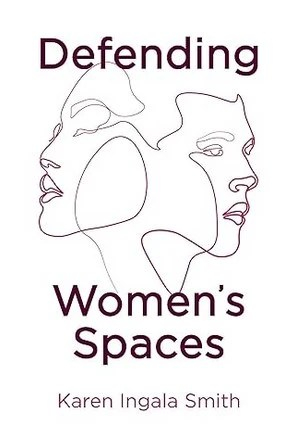
Unlike in the ‘trots and antisemites’ situation, women’s rights campaigners had no army of willing socialists to back them up when the attacks came from Pride. To cut a long and painful story short, I stepped down from my CLP officer role and went in search of feminism. I found it, in all its glory, at FiLiA 2018.
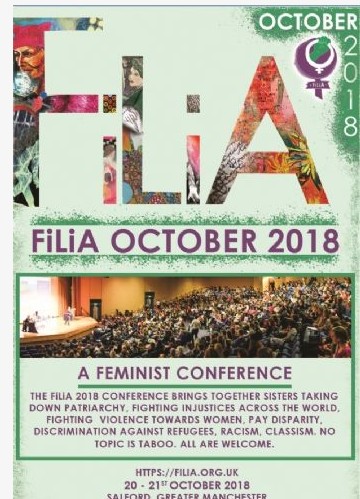
I went back to FiLiA year after year, and became good friends with some of the women involved. I absolutely loved it – except that it was sometimes uncomfortable being a lefty amongst feminists. Here though, I was free to investigate issues around women’s rights. In the next two years, thanks to FiLiA and the Black Lives Matter movement, I became increasingly able to see the extent and consequences of sexism and racism in politics generally but was puzzled that many of the FiLiA women who were highly critical of the sexism from ‘the left’, and who were able to see anti-Black racism, were suspicious about our support for the Palestine Solidarity Campaign, often seeing it as antisemitic in origin – a sentiment that increased as time went on. How many times have I sat down and tried to write a letter to the Sisters about it? Here’s one of the atempts…

That blog post was a part of my contribution to the efforts many women had been making post October 7th 2023, to convince the FiLiA team that Palestine could not be treated as one issue among many, that there were two compelling reasons why socialists everywhere, including of course socialist feminists, were unwilling to be ‘shushed’ about Palestine.
The first is that the global pro-Israel propaganda machine was presenting everything that was happening to Palestinians as the result of the Hamas-led breakout from Gaza on October 7th, 2023. It led mainstream organisations to respond to Israel’s on-going occupation and genocide with statements that exhibited an extremely inappropriate ‘both sidesism’. We on the left had long been campaigning against Israel’s expansionist, apartheid system, seeing it as the last bastion of settler-colonialism, and when Israel’s crimes ramped up to unbelievable levels of cruelty and horror in Gaza, few were willing to take a weekend off the #FreePalestine campaign for the sake of a ‘celebratory’ FiLiA.
The second reason (deep breath) was that we knew what was happening to Palestine was not only about Israel’s land hunger. Through the relationships between Israel, the US and the global weapons and surveillance corporations, this horrendous project of global neoliberalism was committing ecocide as well as genocide, and was feeding violence and repression in other countries on a scale that could ultimately be the death of us all. But, I was told, there were women amongst the FiLiA organisers who ‘would not take’ talk of a global military-industrial complex.
(That’s why I took a deep breath. If any of those kinds of women were reading this blog, they’ll have gone by now. They can’t and won’t consider the evidence we offer.) If you don’t know, and would like to know, try one of these…

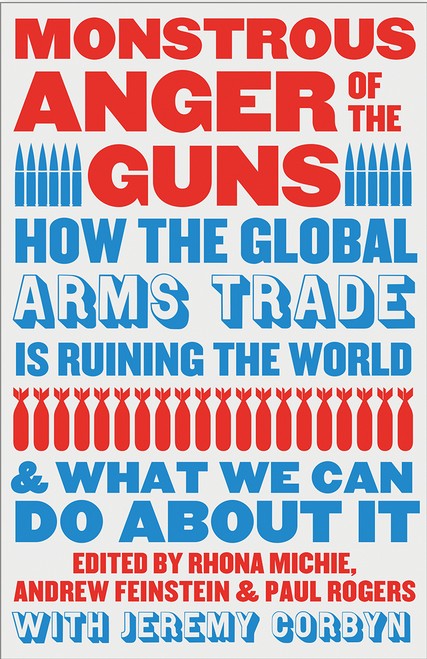
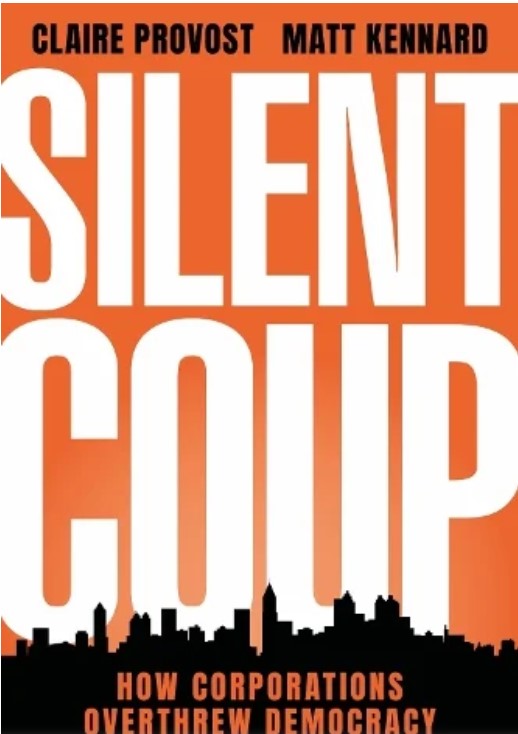
So we failed. FiLiA, the home of feminism that had stood so well against the gender-ideologists over the years…
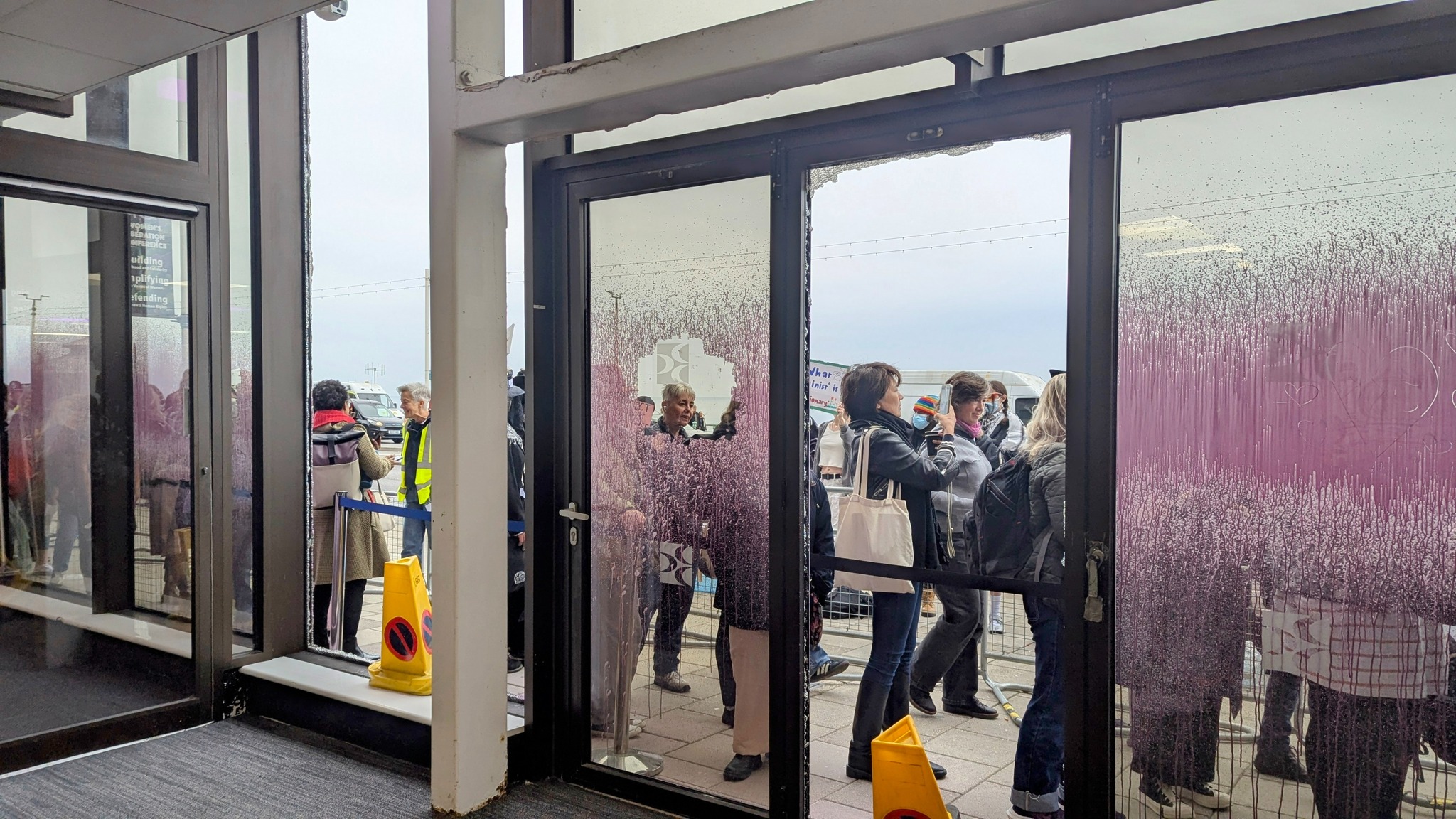

… could not withstand the Zionist response to our decision that Palestine was the top of our agenda at FiLiA 2025. We all came away quite traumatised, especially women who were racialised, and associated with Palestine.
Afterwards, Southall Black Sisters published an open letter to FiLiA…
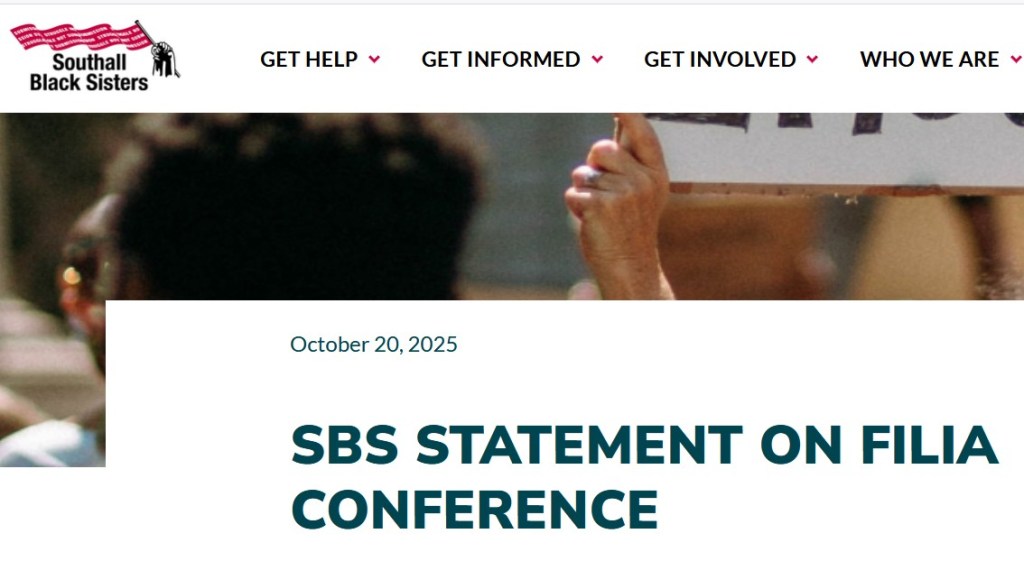
…and then in December they put on their Black Feminist Resistance event and, having come away from FiLiA as pent up and frustrated as I had been when I’d left the Labour Party, I set off to the Women’s Resource Centre in Farringdon, to see how Southall Black Sisters would address the situation. Would they say, as the left does, that Palestine is the issue, globally, for all of humanity now? I was hoping for some inspiration as to how feminism should be responding.

The panel’s different backgrounds and areas of expertise meant their cumulative stories were a compelling demonstration of the links between stories the mainstream media and politicians like to keep in their separate boxes – stories of the violence and oppression wreaked primarily by governments and paramilitaries with US and European backing, across Western Asia and beyond. They also laid bare what I think is the vital point FiLiA’s organisers missed — that the global propping up of Israel is fed by, and by return turbo-charges, the embedded misogyny and anti-Muslim racism in our society.
Rahila Gupta recounted her experience of FiLiA 2025, the culmination of which I wrote about here….
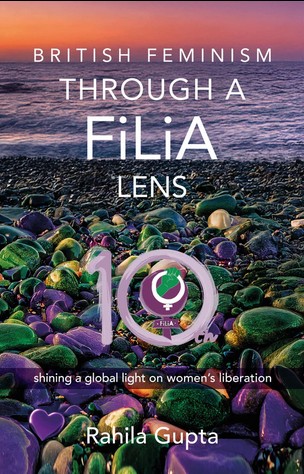
I have spoken to some very decent women who agree that Palestine needed to be addressed at the plenary, but who felt ‘she went too far’ that morning. I suspect they don’t know the whole story of how that came about. Now I do know, I think I would have done the same. The differences of opinion come because few FiLiA organisers or supporters could see how strained and how diplomatic we on the left have had to be every year, in mainstream feminist company – nor in some cases why we couldn’t maintain that diffidence in 2025, in the face of an on-going genocide.
Rahila described the astonishing way Zionist women have spun our words and our actions, and finished by emphasising the perils we are up against, and how we need to be united. She repeated the appeal she had made from the stage at FiLiA: “We need feminist spaces that do not ask us to abandon our politics at the door. Until that is a reality, we will continue to speak out. Not for permission, but for liberation.”
Selma Taha spoke about Sudan, “where racial capitalism shows its true mechanics. And […] where feminist resistance is not an identity, not a discourse, but a question of survival.” The point that struck home hardest for me – and clearly affected Selma deeply when she spoke about it, was how the violence and devastation in Sudan had generally been ignored until recently, when Israel supporters have found it a useful ‘whataboutery’ topic, to get our minds off what is happening to Palestinians.
Maryam Aldossari spoke about the experience of women in Saudi Arabia, underlining the fact that their oppression is neither a matter of religion nor a naturally occurring cultural issue. It was a result of political choices made by the British Empire, and is sustained by the political decisions of global powers to this day with, most recently, Donald Trump and Keir Starmer supporting and arming the oppressive regime.
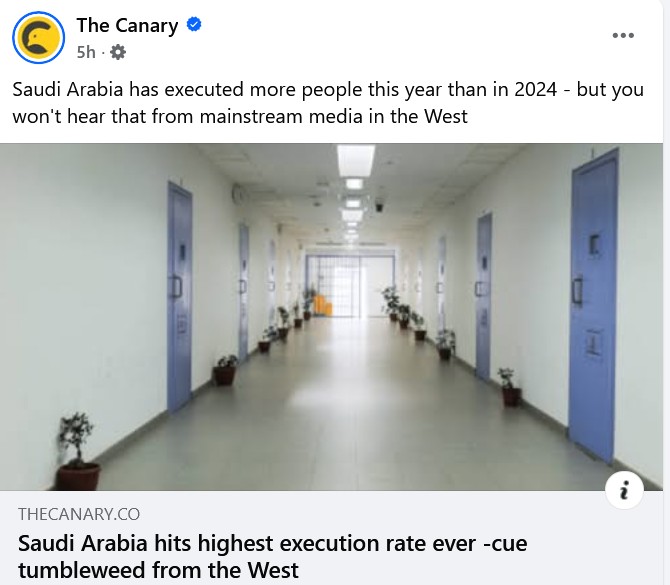
Catia Fretas was born in Angola and spent her early childhood in Portugal. She spoke about how it’s not so long ago Portugal was a colonialist, fascist country, and how worried she is to see it slipping back into that mindset. She said people don’t remember how it was, and don’t see the danger they are in – and that warning she gave pulled together the themes of the evening’s talks, and so illuminated the task we have now, everywhere, to open more people’s eyes to the nature of the danger, the global scale danger. We have to spread that understanding, if that union Rahila called for is ever to be achieved.
But why is it so hard to get people to see it? Why is talk of the very well-documented violence and tyranny of corporate neoliberalism treated like a cranky conspiracy theory? Why can’t people see what’s happening to the people of Palestine? Why are they scared, not of genocide, but of us talking about it?
The answer was in the words of Afaf Jabiri, of the University of East London, whose speech was an analysis of the long term and deeply embedded suppression of our thoughts and ideas about Palestine. Her speech opened with this example:
In a BBC interview on 15 May 2021, during Israel’s military offensive on Gaza that year, the interviewer asked Dr. Refaat Al-Areer: a professor of English Literature at The Islamic University of Gaza, who was murdered and assassinated on targeted bombing of his sister’s house on December, 7, 2023.
the interviewer [said] and I quote: “What do you want to see happen? Where do you think the answer lies to end this?”
Refaat answered simply:
‘An end to the occupation.’
And the interviewer responded:
‘Realistically?’
Why was Refaat’s answer with the desire to end oppression not considered ‘realistic’?
And there we see the reason for the great gulf that is opening up in our society, between those who are determined to stand in opposition to racism and corporate militarism, currently epitomised by Israel’s on-going genocidal attack on Palestine, and those who either just don’t get it or actively support the authoritarian, militarised, white-western-dominated control of the world.
No, I’m not being over-dramatic and yes, it really is that stark. The propaganda-driven fury of Zionists that spilled over into numerous painful-to-see acts of racism at FiLiA is the result of a global hasbara-smokescreen that’s been decades in the making, and the easiest way of lifting the curtain so people can see the truth is to talk about the violence and devastating destruction that is taking place in so many countries in the global south, to talk about those countries side-by side, so that people can see the pattern, and note how the same company names crop up – Elbit Systems, for example, so that as Bea Campbell so succinctly put it at FiLiA, you can feel the shadow of the United States behind everything that’s happening.

Someone once said, on the topic of the UK’s insipid Green Party, that environmentalism without political analysis is just gardening. As I sat watching the closing session at FiLiA this year trying to figure out why it was so painful, the lesson that was going down was that anti-VAWG activism without political analysis is just philanthropy (what’s wrong with that? As the Harvard Political Review defines it, it’s “a band-aid to a much larger and deeper structural issue”.)
I said Rahila’s summary of her experience of FiLiA struck a chord with me – and the best way to underline that is to point out that the workshop FiLIA tried to stop by means of a last-minute cancellation, apparently made under pressure from Zionist complainers – the one which around a hundred of us turned up to anyway and insisted on listening to, had the same pattern this Southall Black Sisters event had. The FiLiA session panel were from Africa, from West Asia, from the United States, and from Canadian and Australian First Nations, and all spoke about colonialism in their own countries and in Palestine, and the harm it did, in the past and in the present. And by setting their stories side-by-side, they made the same point Southall Black Sisters had made:
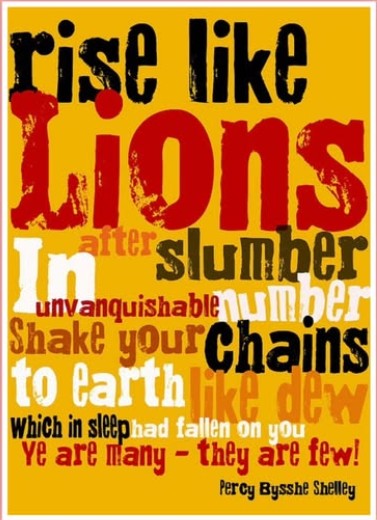
The global powers may have moved from blatant, physical colonialism (except in Palestine) to neoliberal economic colonialism, but they have become more, not less destructive in that transition, and if they get away with it in Palestine, direct destruction of entire peoples will once more be a possibility for them everywhere, as it was in the past in the British Empire and in the USA.
Sisterhood and Solidarity
Both events demonstrated the urgent need for feminism to take on a truly internationalist way of thinking – not self-indulgent bits of charity, not just randomly calling out acts of harm against women in far off places, but reaching out and getting to know women from around the world, studying their activism, telling them about ours, informing, learning from and amplifying each other as FiLiA has been so good at doing but also, crucially, joining the dots as the global #FreePalestine movement has been doing.
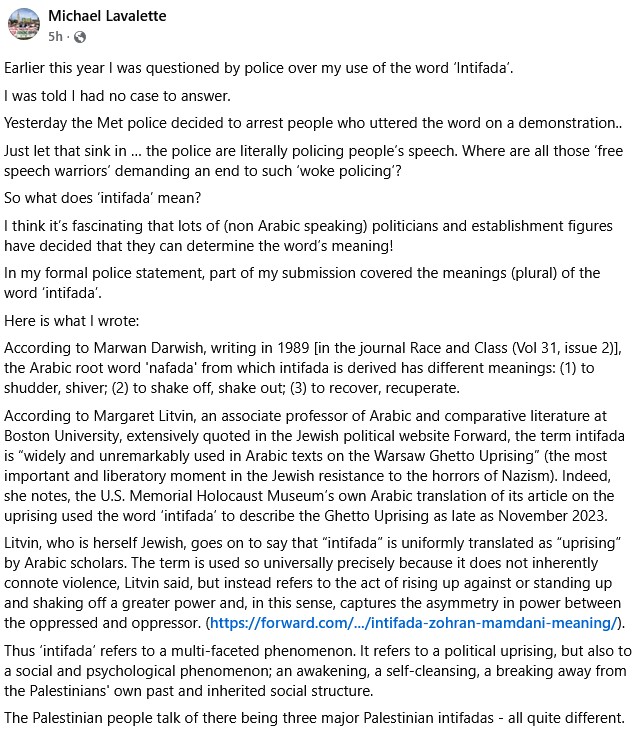
The Met may not like it, but the worldwide movement to #FreePalestine really is an awakening, an understanding of the international drivers of oppression. It is a clear-eyed look at the forces of corporate neoliberalism, a mass learning that leads to a shaking off of the enemy’s weapons of sex-, race- and class-based oppression. This is what they mean by the globalisation of the Intifada.
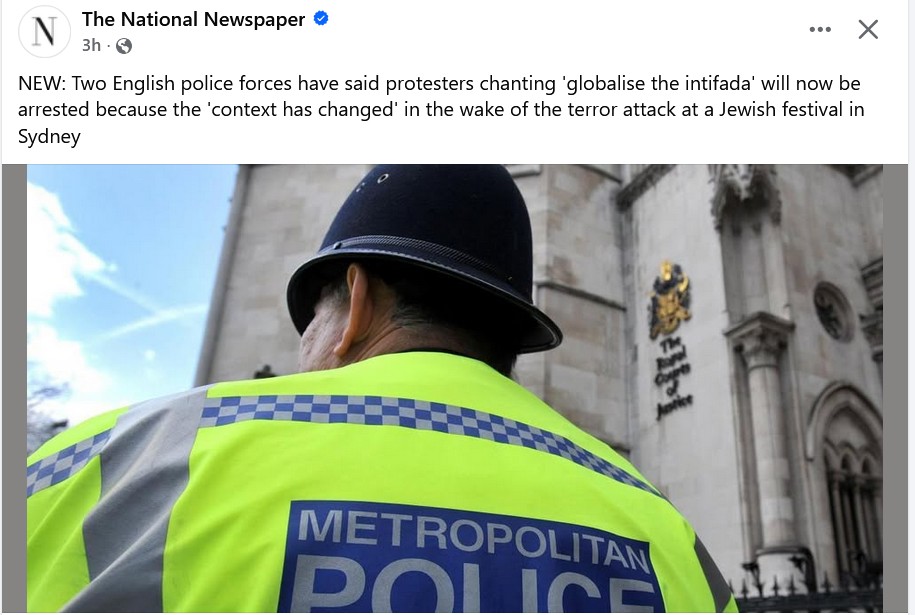
Actually, that’s precisely why the Met don’t like it. A widespread civil rebellion (which is what intifada actually means) is far more dangerous to an authoritarian government than actual terrorists (which is what they like to pretend protesters are).
When Preston councillor Michael Lavalette was arrested for uttering that word, he presented them with an essay on its meaning…

I came away from FiLiA 2025 feeling lonely and depressed. For over a decade, my political world has been divided, doing socialism and feminism in groups that think they are enemies, and going elsewhere again for work against racism. It’s exhausting and debilitating and for many women, comes with the drag of being regularly slandered and ostracised for supposedly being ‘anti-trans’ or ‘antisemitic’.
By contrast, I came away from Southall Black Sisters fizzing with the beginnings of ideas, mentally listing the women I needed to talk to, and things to try out next year. I hope and believe I wasn’t the only one who came away thinking like that, I hope and pray that we can reassemble ‘the left’. To do so, we (only!) need to find a way to unite radical feminism with radical socialism.
Well okay, perhaps that’s more than a lifetime’s work but if you respond to ideas like ‘uniting the left’, with knee-jerk cries of “impossible!” and “unreasonable!” (as most of us do) please join me in starting a mental list of all the things we need politically that we’ve been so well-trained to see as impossible, then let’s go seek out the work of scholars like Afaf Jabiri (see above) and find our way out of that trap.
Thank you, Southall Black Sisters. I see a signpost. Let us at least aspire to joining forces in 2026. Let us dare to imagine it. We might just be surprised what we can achieve.
********************
Dear Reader,
Times are hard, and so the articles on this site are freely available but if you are able to support my work by making a donation, I am very grateful.
You can make one-off or monthly payments by BACS to Mrs K Green, Sort: 07 01 16, Acct No: 43287058, Reference: blog
Or via Paypal…
Click here to donate via Paypal
Another great way to support this, and other independent blogs you read, is liking and sharing on social media, signing up for email updates, or by emailing a link to friends.
Cheers,
Kay
********************
 Kay Green