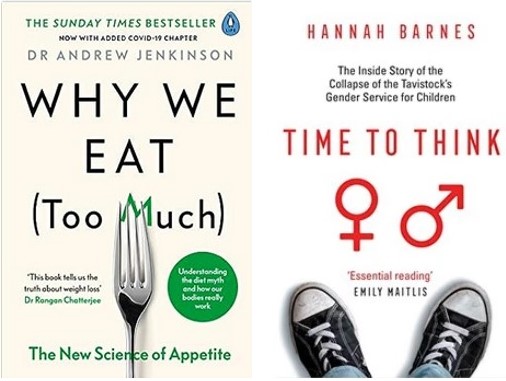
The book Why We Eat (Too Much) is three years old now, but there’s a recent edition with an added chapter about COVID. The book tells how the author, Andrew Jenkinson, a surgeon who, after working in a bariatric clinic (specializing in last-ditch treatments for obesity), decided that our medical world doesn’t know enough about fat. He began to suspect doctors weren’t necessarily giving the best advice or treatment to those suffering from obesity and weight-related problems.
Jenkins set out on a series of investigations of his own and, among the things he discovered was what appeared to be a competition between the wheat, sugar, vegetable oil and tobacco industries, over who gets to run which research projects, and which ones get to inform the world about things like obesity, heart disease, cancer and diabetes.
Statins
Jenkinson is particularly interesting on the cholesterol debate. His own reading and research suggested to him that good quality (ie, grass-fed) meat and dairy foods weren’t necessarily a risk to your heart, or to efforts at weight loss, because high cholesterol is not necessarily a problem. He noted that official health advice in western countries had led the food industry to commit to ‘healthy, low-fat alternatives’. As a result, the industries that so often fund food research were benefiting from official government approval of supposedly healthy artificial oils – a huge incentive to resist another change, even before you start thinking about the fact that the production of drugs such as statins, the ‘cure’ for high cholesterol, was worth $35 billion a year by 2010, and rising.
How doctors get duped
Jenkinson doesn’t think statins are useless. He concludes that probably about 1 in 500 people with high cholesterol benefit from them. They are wildly over-prescribed, in the probably misguided idea that lowering cholesterol is always a good idea — why?
He looks at a number of ways ideas about medication can go astray. One is that the rules requiring research papers to clearly state who research was instigated and funded by are relatively recent, so there is still medical training and literature around from before that date. Another is the kind of misdirection that can be fed into research results, even when the funding and methodology is apparently explained – such as quietly choosing the people or places to include in your research in such a way as to make the results come out as you wish (for example, if you want to demonstrate that red meat is bad for people, don’t include statistics from France in your paper).
Puberty blockers
The issues Jenkinson discussed came to mind recently when I was reading Time to Think by Hannah Barnes. Barnes’ book is an analysis of what went wrong at the Tavistock/GIDS gender clinic. Shortlisted for the Orwell prize, Barnes book is a harrowing but gripping read.
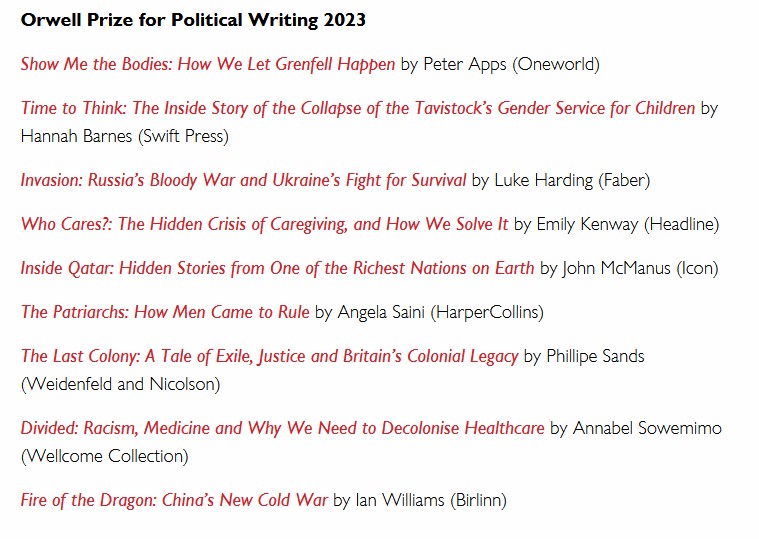
Click here for the Orwell Foundation website.
In Time to Think, you learn how the Tavistock Trust’s clinicians, whilst desperately trying to do their best for a cohort of extremely distressed young people, became trapped on an accelerating rollercoaster of referrals for medical interventions, egged on by Susie Green’s Mermaids, even as all the contra-indications came into view.
The reader follows in the footsteps of a clinician plagued by doubts, worrying that there wasn’t enough time to explore alternatives, increasingly aware that puberty blockers could worsen depression and dissociation, that they didn’t necessarily cure dysphoria and perhaps most confusing of all, would actually hamper a future attempt at male-to-female medical transition.
The clinician takes her worries and her questions to a medical conference, only to find that the apparent opportunity for debate is laid on by the pharmaceutical company that’s making puberty blockers. There, she is informed that the effect of blockers is ‘fully reversible’ and allows ‘time to think’, despite her experiences that demonstrate the opposite.
… or maybe I’ve got the wrong end of all the sticks. Maybe the good surgeon works for the dairy industry, and Ferring Pharmaceuticals are a bunch of progressive philanthropists – how would I know, these things can be so misleading…
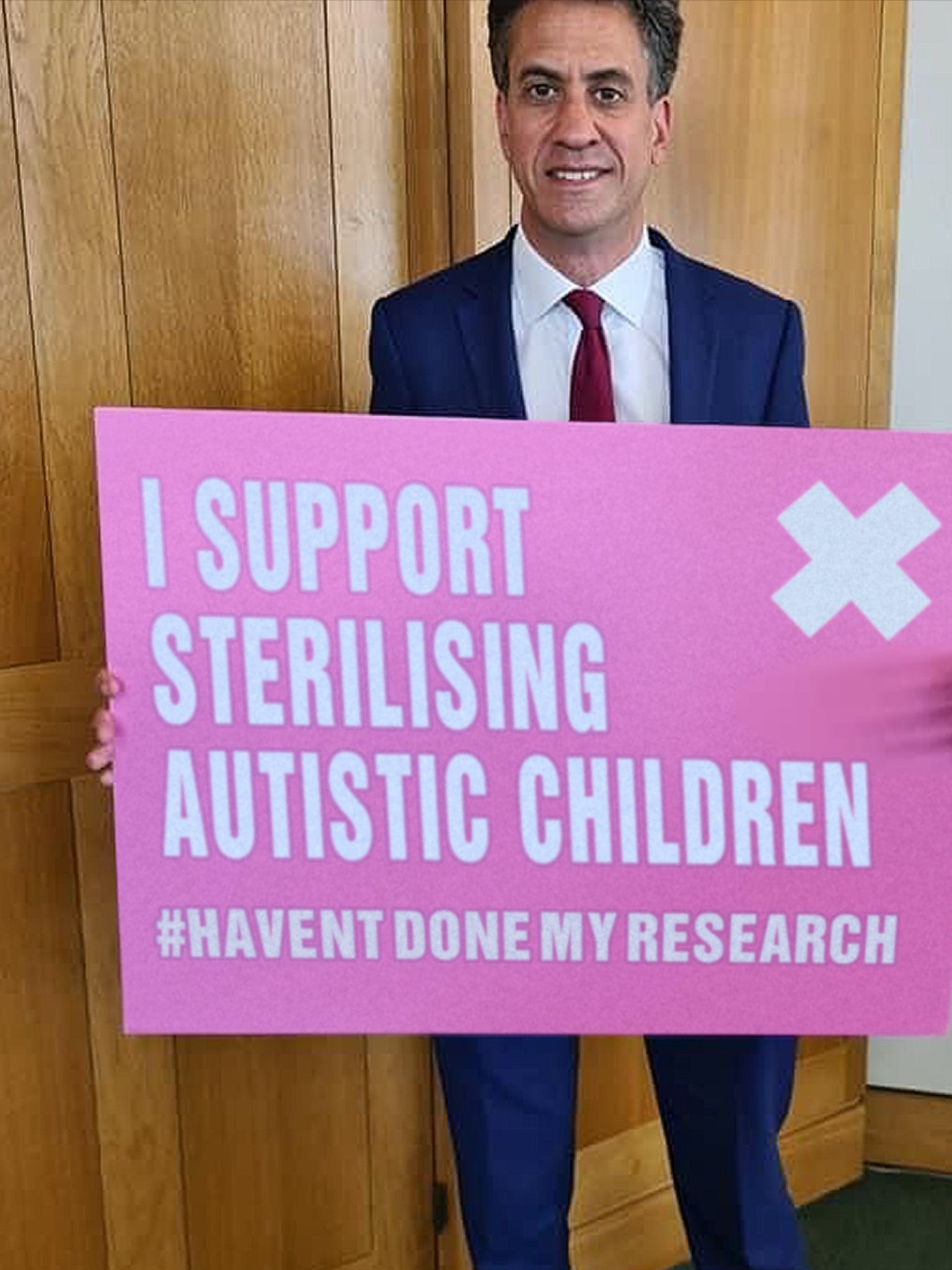
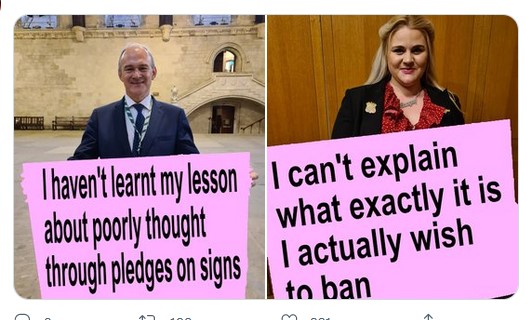
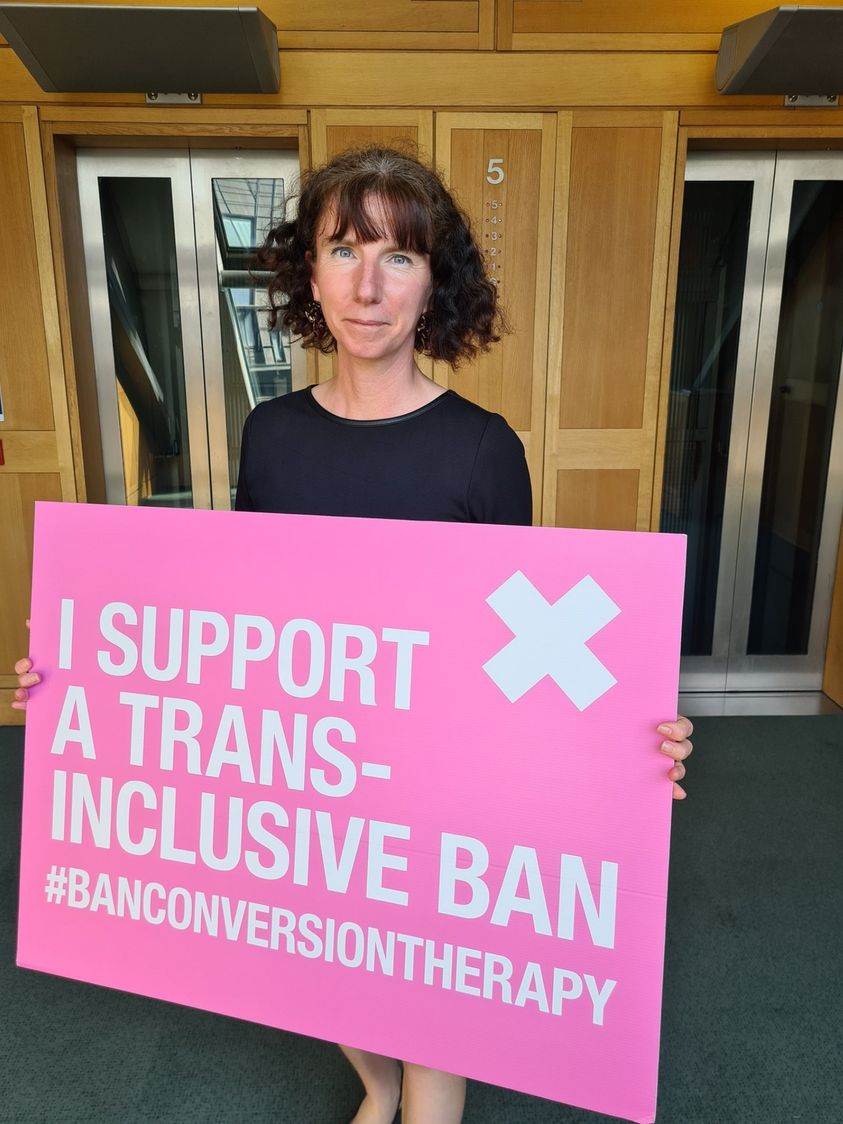
(Never hold up a large piece of card with propaganda on it – someone will come along and over-lay the truth on it, or vice-versa – then no-one will know what’s going on. Can you tell which of these placard slogans is real, and which have been Photoshopped for Twitter-battles? Do you know what they mean? Do the people holding them know…?)



The baby and the bathwater
A few years ago, I was an enthusiastic member of a political movement. We had a tremendous manifesto, and were developing people-friendly policies that addressed so many of the problems we’re struggling with now. One of the best ideas was that we reinstate and build up a genuinely publicly owned National Health Service, informed by a publicly owned, government-funded research institute, to make absolutely sure that our medical research was aimed at solving people’s problems, not at protecting profiteers’ businesses.
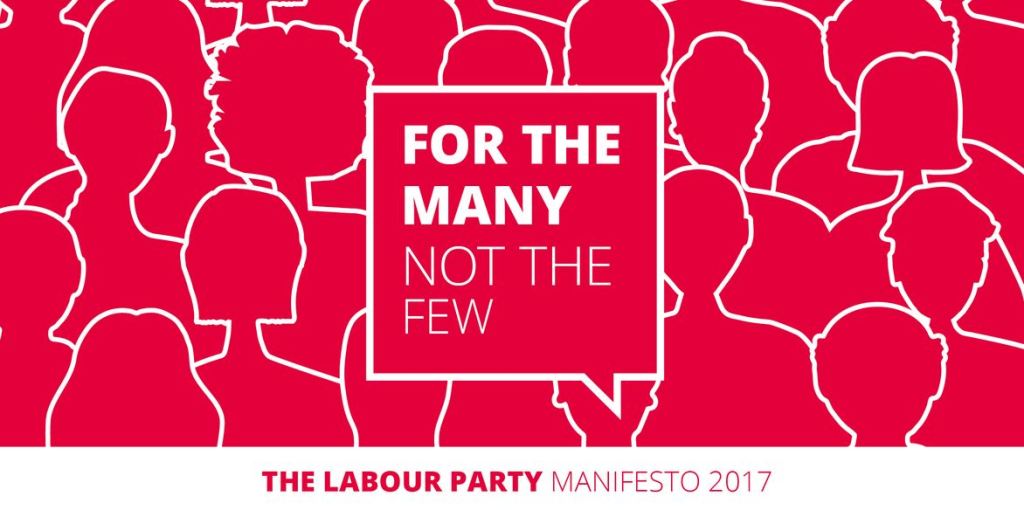
Yes, I know, the Labour Party as re-imagined by Jeremy Corbyn is dead and buried, but could we please keep some of the excellent ideas and policies that were developed back then, when members’ views were shaping the policy forum into something that could have actually worked to the benefit of actual people?
********************
Dear Reader,
Times are hard, and so the articles on this site are freely available but if you are able to support my work by making a donation, I am very grateful.
Cheers,
Kay
********************

